What to do after a house fire
Once the trucks pull away, the work is mostly phone calls and plywood. Close the house up before the weather gets in. Let the insurer see the damage before anything leaves. And assume the smoke went further than you can see from the doorway.
On this page
Getting back inside
The fire department decides when the building is safe to enter, not you. Ask them which utilities they shut off and leave those off; the utility or a licensed electrician turns them back on. Wear gloves and an N95 when you go in; soot and ash irritate lungs and skin.
The first 24 hours
- The insurer. Get a claim number. If you can't sleep there tonight, ask right away about additional living expense coverage.
- Plywood and tarps. Cover the broken windows and any hole in the roof. A Durham thunderstorm in summer or a hard freeze in winter does real damage to an open house, and most policies expect you to prevent further loss.
- Photos, room by room, before a single item is moved or bagged.
- Grab the essentials. Prescriptions and glasses first, then IDs, papers and chargers.
- A receipt envelope. Every hotel night the fire forced on you goes in it, along with meals and clothes.
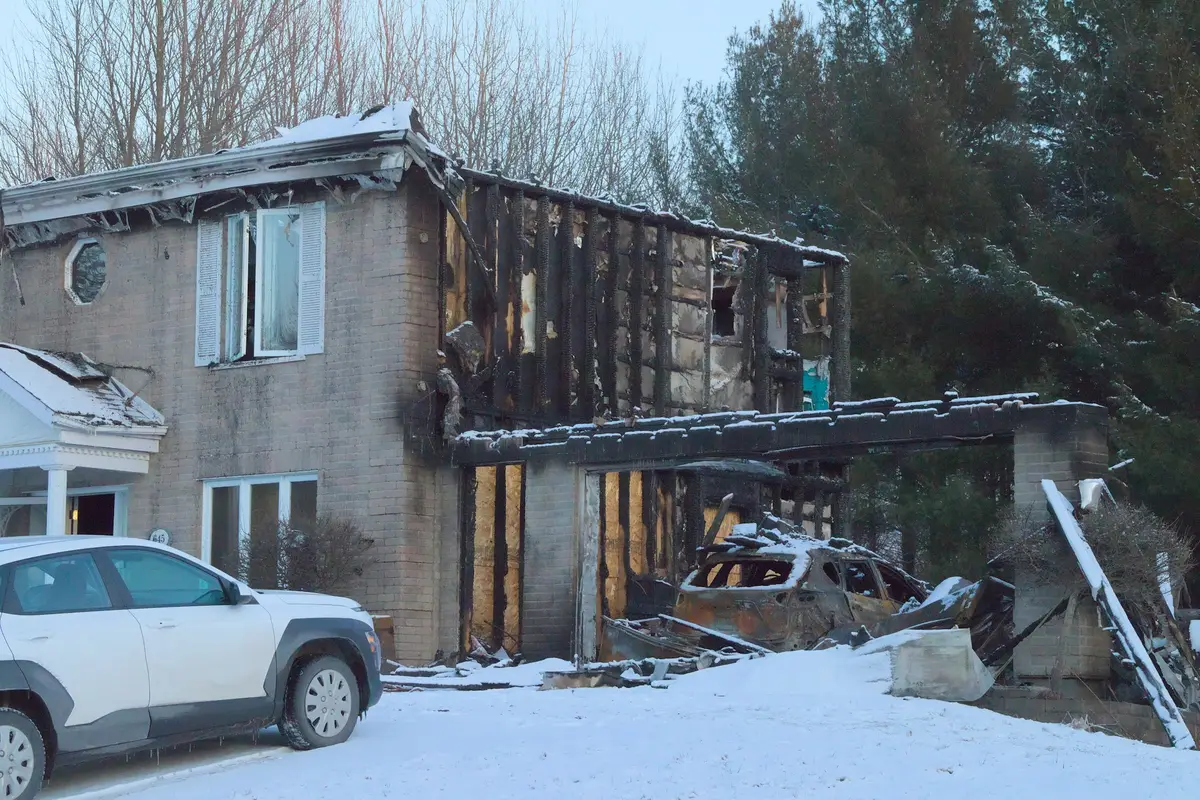
Three kinds of damage
The charred room is the obvious one. The second is soot, carried by heat and moving air into bedrooms and closets the flames never reached; it is acidic, so the longer it sits on a surface the more it etches. The third is the firefighting water in the floors and walls, which needs the same drying a burst pipe would. A sensible plan deals with the water first. Fire and smoke restoration in Durham.
Your belongings
Crews often box up contents and take them away for cleaning. When they do, ask for a photo inventory of what left, and keep your own copy. Throw out any food or medicine that saw heat or smoke. Clothing and most hard goods can usually be cleaned.
Who works for whom
The restoration company secures the house and handles drying and cleaning. A general contractor frequently handles the rebuild. The adjuster your insurer sends works for the insurer. A public adjuster works for you and charges a fee, typically a percentage of the claim, and must hold a license from the North Carolina Department of Insurance. If the rebuild reaches $40,000, verify the contractor's general contractor license before you sign anything.
Questions Durham homeowners ask
Does homeowners insurance cover smoke damage?
Homeowners and renters policies cover fire as a standard peril. They usually cover smoke cleanup as well, and the cost of living elsewhere during repairs, often labeled additional living expense or loss of use. Your declarations page shows the limits. Save every receipt from the time you are out of the house.
How much does fire damage restoration cost?
LawnStarter's national average is $20,470. Its range runs $2,900 to $38,325 depending on the size of the fire, or $4.25 to $6.50 per square foot. Because smoke moves through the ductwork, one burned kitchen can put every room on the cleaning list. Replacing burned framing costs extra.
Can I live in the house after a small fire?
Possibly, if the fire stayed in one spot and both the fire department and the utilities have signed off. Lingering soot and smell can still make the place unpleasant or unsafe, particularly for anyone with asthma. Ask the insurer what it pays toward living elsewhere before deciding.
Sources
- LawnStarter: How Much Does Fire and Smoke Damage Restoration Cost? (Nick Crawford, updated July 30, 2026)
- North Carolina Department of Insurance: Before, During and After a Storm (checked October 29, 2026)
- N.C. Gen. Stat. 87-1: General contractor defined; license required ($40,000 threshold; checked October 29, 2026)
- FTC: How To Avoid a Home Improvement Scam (July 2022)