Mold removal after water damage in Durham
Mold is a moisture problem wearing a different coat. The EPA's guidance comes down to two things: get wet material dry within 24 to 48 hours, and fix the source of the water before or during the cleanup, because cleaning alone buys you a few months. Most remediation jobs land at $1,500 to $9,000 by Fixr's count.
On this page
The Durham version of the problem
Blame July. About 56 percent of the airport's rain falls between April and September, and through the late summer the air outside stays hot and heavy for weeks. A leak that would dry by itself somewhere drier just sits. Meanwhile the open vents on a crawl space pull that air under the house, where it hits joists and ductwork chilled by the air conditioning upstairs. The surfaces drop below the dew point, and they sweat.
So start under the house: joists, subfloor, the insulation between them, any duct with beads of water on it. Upstairs, check the base of outside walls behind the furniture. Window sills come next, then bathroom ceilings where the fan doesn't work. More on Durham humidity.
Doing it yourself
Small patches, yes. The EPA puts the do-it-yourself limit at roughly 10 square feet, about a 3 by 3 foot area. Anything bigger, mold in the ductwork, or mold that followed sewage or flood water should go to a professional. The EPA also says testing is usually unnecessary when you can already see or smell the mold. For a small patch, wear gloves and an N95 and scrub hard surfaces with detergent and water. Anything soft that grew mold goes in a bag and out.
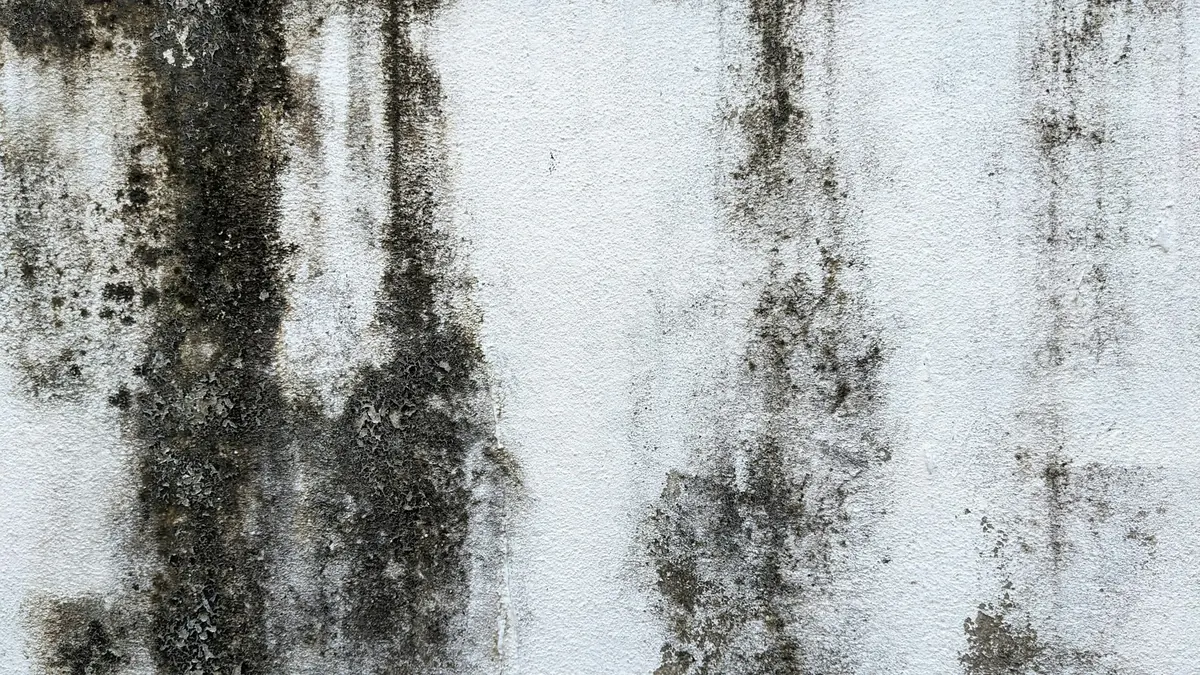
What a real remediation looks like
It starts with the water, and a company that skips this step is selling you a repeat visit. In a crawl space the fix might be grading, gutters, a vapor barrier or a dedicated dehumidifier.
Then the work area gets sealed with plastic and put under negative pressure, so spores get pulled out through a filter instead of drifting into the hallway. Moldy drywall comes out, along with insulation and carpet. Framing and subfloor that stay get cleaned and dried. Before anything is closed in, someone looks at it and puts a meter on it.
Published prices
| Item | Published range | Source |
|---|---|---|
| Remediation, typical job | $1,500 to $9,000, $3,500 average | Fixr, Aug 2025 |
| Remediation, typical job | $1,125 to $3,439, $2,254 average | Bob Vila, Apr 2024 |
| By the square foot | $10 to $30 per square foot | Fixr |
| In a crawl space | $500 to $2,000 | Fixr |
| In the HVAC system | $3,000 to $10,000 | Fixr |
| Inspection | $450 to $800, $500 average | Fixr, Jan 2025 |
National published numbers, not Durham bids.
No state mold license
North Carolina doesn't issue a separate state license for water or fire damage restoration or for mold cleanup. Licensing comes in with the rebuild: a construction project costing $40,000 or more requires a contractor licensed by the North Carolina Licensing Board for General Contractors (G.S. 87-1), and plumbing and electrical work carry their own trade licenses. The board's website lets you look up a general contractor's license. With no license to check, the questions carry the weight. Ask what caused the moisture, what comes out, how the area will be sealed off, and what reading will prove it is finished.
Questions Durham homeowners ask
Do I need a mold test before removal?
Usually not. The EPA's position is that when you can see or smell mold, sampling is generally unnecessary; what you need is to fix the moisture and clean it. A test earns its cost when you suspect mold you can't find, when someone's health is involved, or when you need proof the cleanup worked.
Is mold in a rental the landlord's problem?
Under G.S. 42-42, a North Carolina landlord must keep a rental fit and habitable and keep the plumbing and the other systems the landlord supplies in good working order (heat and air conditioning count), with repairs made promptly after written notice except in an emergency. The statute's list of imminently dangerous conditions includes excessive standing water or sewage from plumbing leaks or inadequate drainage that contributes to mold, and the landlord must fix those within a reasonable time based on severity. General information only, not legal advice.
How fast does mold grow after water damage?
EPA guidance is to dry water-damaged materials and belongings within 24 to 48 hours to head off mold. During a Durham summer the outside air stays hot and humid for weeks, so a soaked wall cavity or crawl space won't dry by itself; it needs a closed house and dehumidifiers running.
Sources
- US EPA: A Brief Guide to Mold, Moisture and Your Home (updated February 18, 2026)
- US EPA: Mold Cleanup in Your Home (updated June 4, 2026)
- CDC: Mold (September 26, 2024)
- Fixr: Mold Remediation Cost (updated August 29, 2025)
- Bob Vila: Mold Remediation and Removal: What to Know and How Much You'll Pay (updated April 17, 2024)
- Fixr: Mold Inspection Cost, Mold Testing Cost (updated January 31, 2025)
- NOAA Applied Climate Information System: Raleigh-Durham International Airport daily data (GHCN USW00013722)
- N.C. Gen. Stat. 87-1: General contractor defined; license required ($40,000 threshold; checked October 29, 2026)