Water and fire damage insurance claims in North Carolina
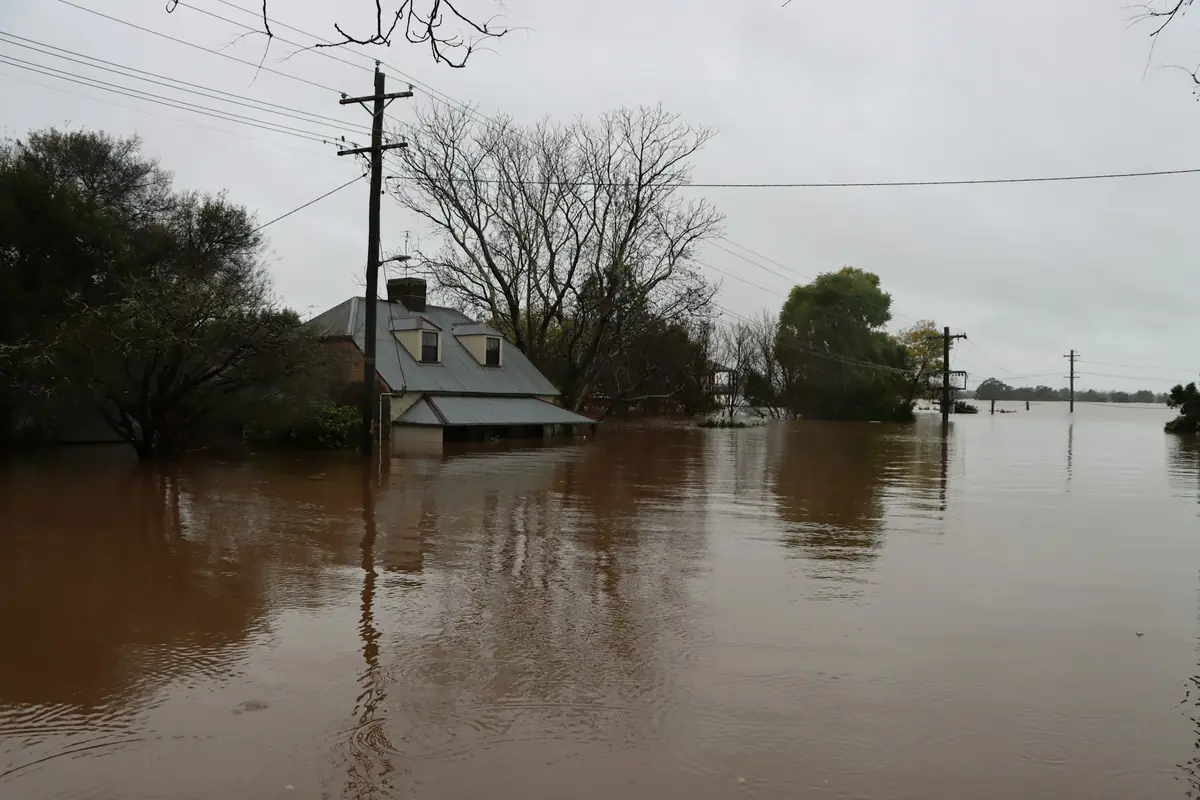
Insurers care less about how wet the floor is than about which direction the water came from. A split supply line and an overflowing Third Fork Creek can leave identical carpet and end up on two different policies. The North Carolina Department of Insurance states it plainly: homeowners policies do not cover flood damage.
On this page
Who usually pays
| Cause | Usual policy |
|---|---|
| Burst or frozen pipe; water heater or washer hose that failed suddenly | Homeowners or renters |
| Drip that went on for months | Frequently excluded as wear or maintenance |
| Rain through storm damage to the roof | Homeowners, in most cases |
| Creek or river water, or surface water from outside | Flood policy only (NFIP or private) |
| Sewer or drain backup | Most policies need a backup endorsement |
| Fire and smoke, plus the water used to fight it | Homeowners or renters |
Common patterns only. Your declarations page and exclusions decide, and your agent can explain them.
How flood coverage works
Per FloodSmart, an NFIP policy pays up to $250,000 for the house and $100,000 for what is in it, and there is normally a 30 days wait before a new policy takes effect. Tenants can buy contents-only coverage. North Carolina's Flood Risk Information System will show you the flood zone for any address.
The Durham County record makes a case for looking past the zone. The program has 443 claims here and $11.0 million paid, and about 43% of paid claims were on properties rated outside the high-risk A and V zones. Chantal by itself is $4.9 million of the total. Where the claims are.
Filing it
- Call it in the day you find it, and write the claim number on something you won't lose.
- Stop further damage. Shut the water, get drying started, tarp the roof, and save every receipt.
- Shoot photos and video before anything is torn out, and keep a cut sample of the carpet or flooring if you can.
- Ask the plumber or fire department to write down the cause.
- Get moisture readings and photos from the restoration company at the beginning and the end. Adjusters ask for them.
Adjusters, and the forms you sign
The adjuster your insurer assigns represents the insurer. If you want someone on your side, a public adjuster does that for a fee, usually a percentage of what you collect, and has to be licensed by the North Carolina Department of Insurance. In most cases you can pick your own restoration company. When that company hands you paperwork, look for language assigning your benefits to them or directing the insurer to pay them. A work authorization by itself doesn't hand over control of your claim.
Declared disasters
Since 1996 Durham County has had federal major disaster declarations for five storms, Fran through Chantal. A declaration can make FEMA individual assistance available for losses insurance won't cover. It doesn't stand in for a flood policy, and for claim questions the Department of Insurance's storm pages are the first stop.
When mold shows up on the claim
Mold coverage is often capped, and adjusters sometimes treat mold as evidence the leak had been going on a while. Report the day you discover the water, take dated photos before the drying starts, and hold on to the plumber's written cause.
Questions Durham homeowners ask
Will homeowners insurance cover water damage?
If the water was sudden and accidental, such as a pipe that burst or a water heater that split, a homeowners policy usually pays. Flooding usually isn't covered; that takes its own flood policy, and the North Carolina Department of Insurance says homeowners policies do not cover flood damage. Seepage, and leaks that ran for months, are frequently excluded. Check your policy and talk to your agent.
Does homeowners insurance cover flood water from a storm?
No. According to the North Carolina Department of Insurance, homeowners policies do not cover flood damage, and storm water rising into the house from outside counts as flood. You need a separate flood policy, usually from the National Flood Insurance Program, which pays up to $250,000 on the building and $100,000 on contents and generally takes effect 30 days after purchase. Rain coming in through a storm-damaged roof is different and usually goes on the homeowners claim.
Does homeowners insurance cover fire and smoke damage?
Homeowners and renters policies cover fire as a standard peril. They usually cover smoke cleanup as well, and the cost of living elsewhere during repairs, often labeled additional living expense or loss of use. Your declarations page shows the limits. Save every receipt from the time you are out of the house.
Can my insurer make me use its restoration company?
Usually not. Most policyholders can pick their own restoration company. Ask the insurer, in writing, how it treats a company outside its network, and read every form the company gives you, watching for language that assigns your benefits or sends payment straight to them.
Will a water damage claim raise my rates?
It can come up at renewal. For a small loss, weigh the repair cost against your deductible first, and ask your agent how a claim would affect your renewal.